
Living in Manchester means the Peak District is close enough for an early start, a spontaneous evening shoot or a full day away from the city. It is one of the places where I first learned that landscape photography is less about owning more equipment and more about understanding light, weather and timing.
The same viewpoint can look completely different from one visit to the next. Mist can collect in the valleys at sunrise, rain can deepen the colours in woodland, and a gap in the clouds can light one hillside while everything around it remains dark. That unpredictability is part of what keeps me returning.
These are five Peak District locations I enjoy photographing. They range from open ridges and reservoirs to woodland and caves, so each one offers a different type of landscape and a different compositional challenge.
1. Snake Woodlands
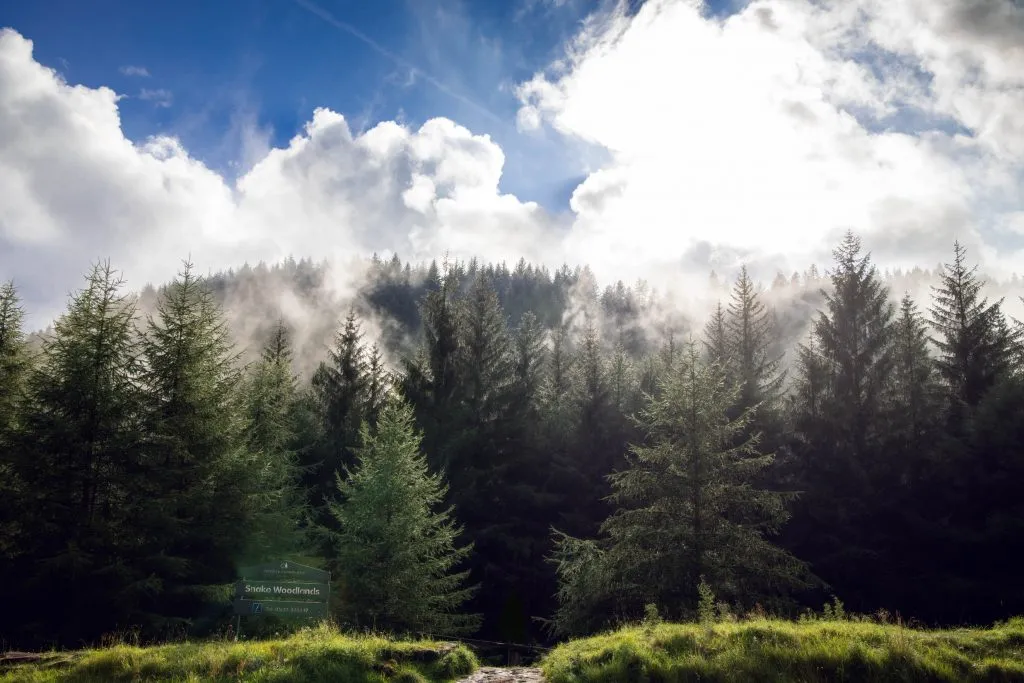
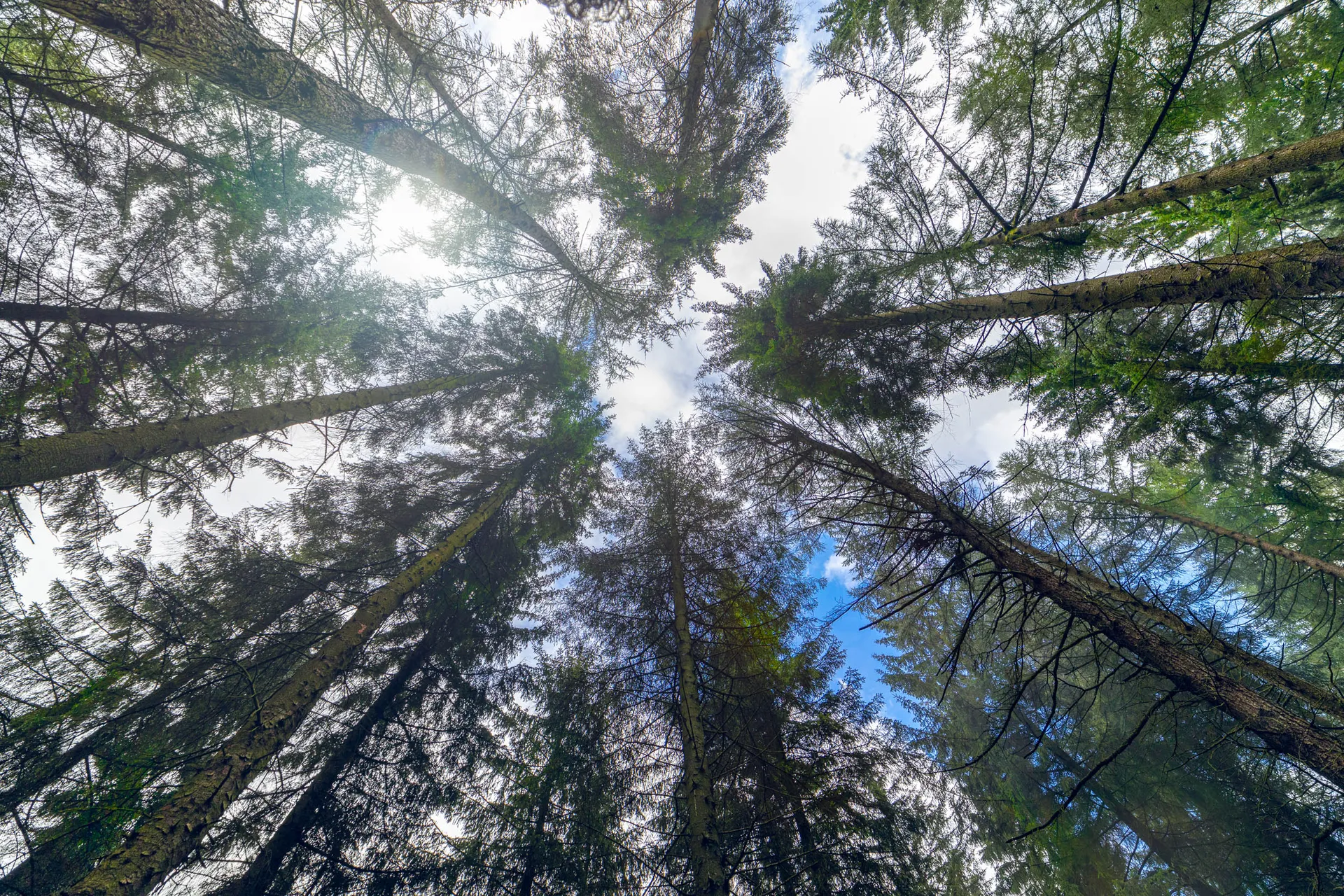
Snake Woodlands feels very different from the wide, open views usually associated with the Peak District. The paths run through birch woodland, patches of heather and rough ground near the Snake Pass, creating a quieter and more intimate landscape.
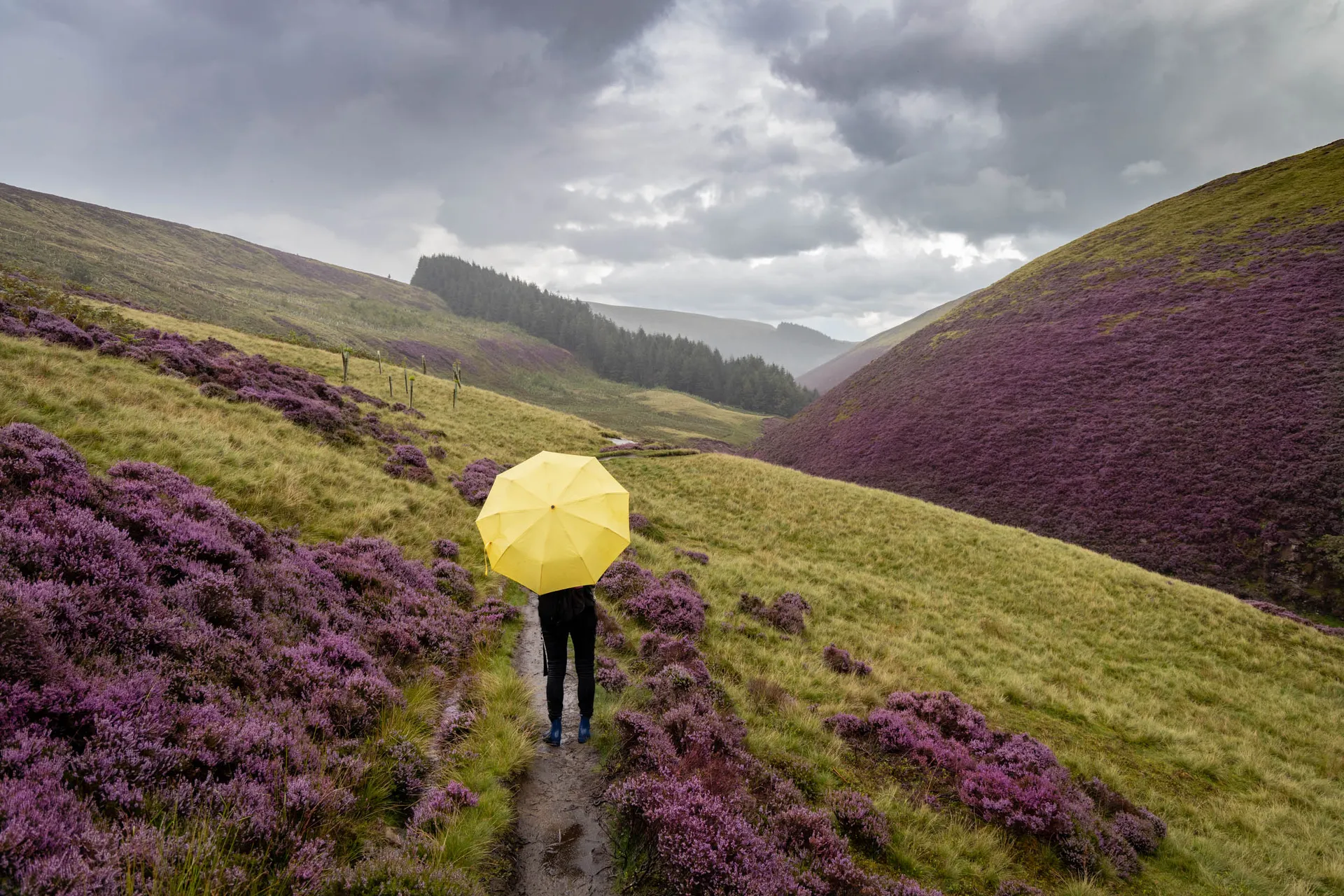
I particularly like visiting when the heather is in bloom. The purple colour gives the foreground more structure and creates a strong contrast with the greens and muted browns of the woodland. Soft, overcast light works well here because it reduces harsh highlights and allows the colours and textures to remain visible. Rain or recent wet weather can also add depth to the scene by darkening tree trunks, stones and foliage.
Woodland compositions can easily become cluttered, so I look for one clear subject rather than trying to include everything. A path, an isolated silver birch or a patch of light can give the frame a visual anchor. I also pay attention to the edges of the photograph, where stray branches and bright gaps can pull attention away from the main subject.
A wide-angle lens is useful for showing the relationship between the path, trees and heather, but a longer focal length can be even better for simplifying the scene and separating layers of woodland. A polarising filter may help control reflections on wet leaves, although I use it carefully so the foliage does not become unnaturally dark.
One practical warning from experience: midges can be vicious during warm, still evenings in August. Insect repellent is nearly as important as the camera.


2. Mam Tor and the Road to Edale
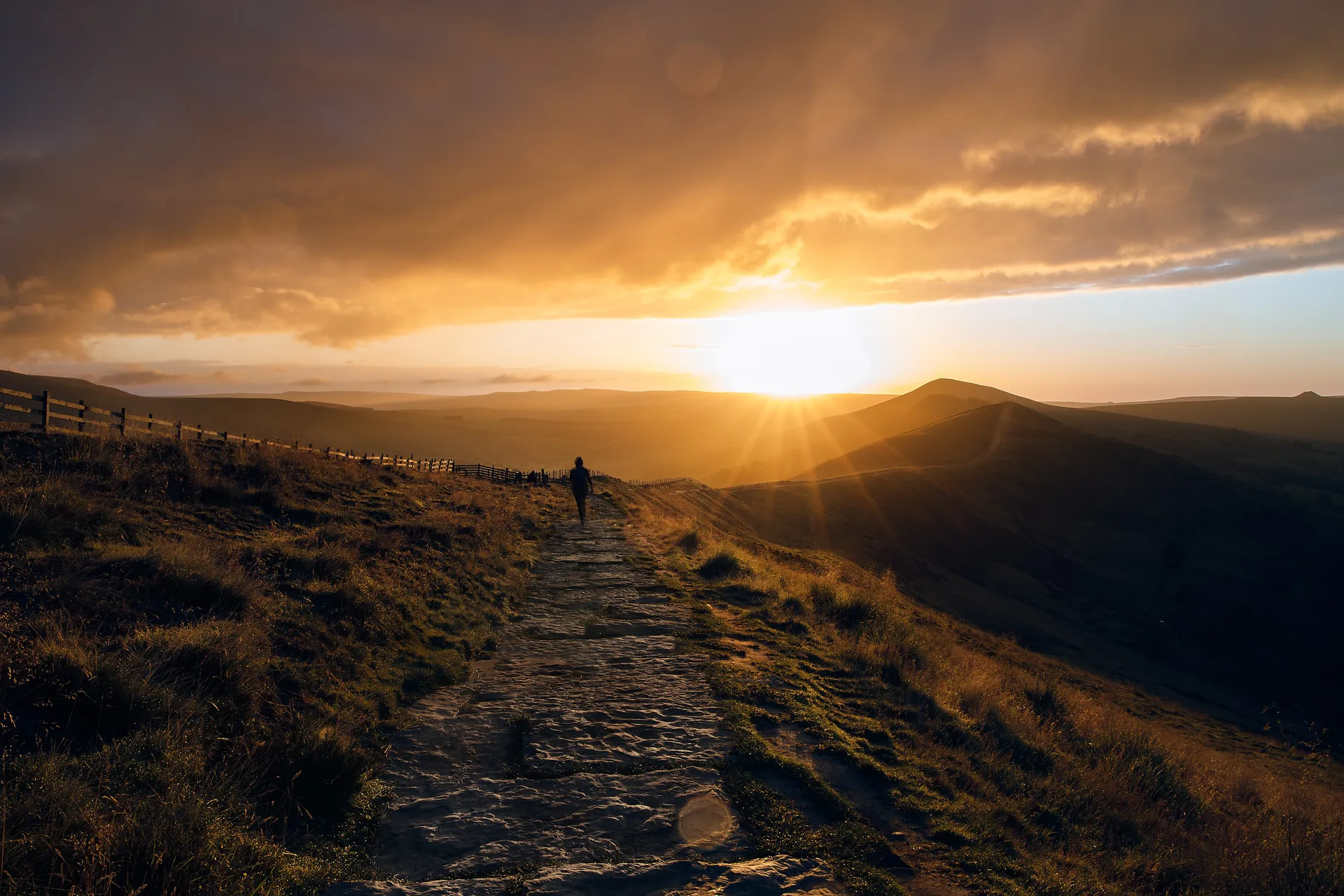
Mam Tor is probably the best-known viewpoint on this list, but it remains one of the places I return to most often. The ridge opens towards Edale and the Hope Valley, with paths and stone walls creating natural leading lines through the landscape. Because the view works in several directions, it can be photographed at both sunrise and sunset.
At sunrise, mist sometimes settles in the valleys while the ridge catches the first warm light. In rougher weather, low cloud and fast-moving shadows produce a darker and more dramatic scene. I prefer conditions with some cloud because completely clear skies can leave the landscape looking flat once the brief colour around sunrise has disappeared.
The classic wide-angle composition uses the ridge path to lead the eye towards the distant hills. It is effective, but it is not the only option. A longer lens can compress the layers of hills, isolate patches of light and remove busy foreground elements. Looking away from the obvious viewpoint often reveals smaller compositions that feel more personal.
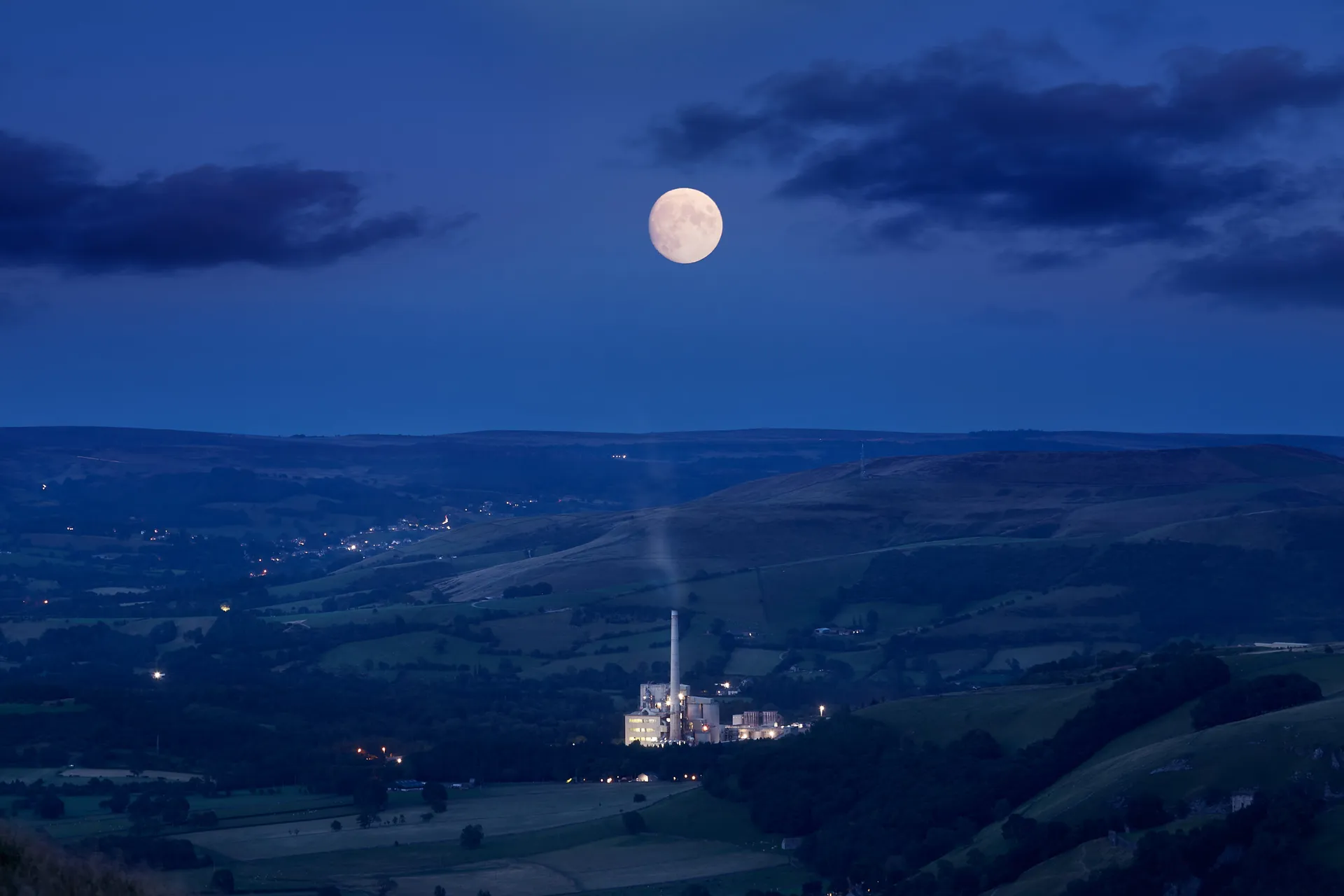
Below Mam Tor, the winding road towards Edale offers another strong subject. During blue hour, the shape of the road creates a natural S-curve through the frame. With the camera secured on a tripod and a longer exposure, passing cars produce light trails that emphasise the curve and add movement to an otherwise still landscape. The best frame is usually a balance between the remaining ambient light and the brightness of the vehicle trails, rather than waiting until the surroundings are completely dark.
Mam Tor is exposed, and the conditions at the top can be colder and windier than they are near the car. I keep the tripod as low and stable as possible and carry layers even when Manchester feels relatively mild.



3. Lud's Church
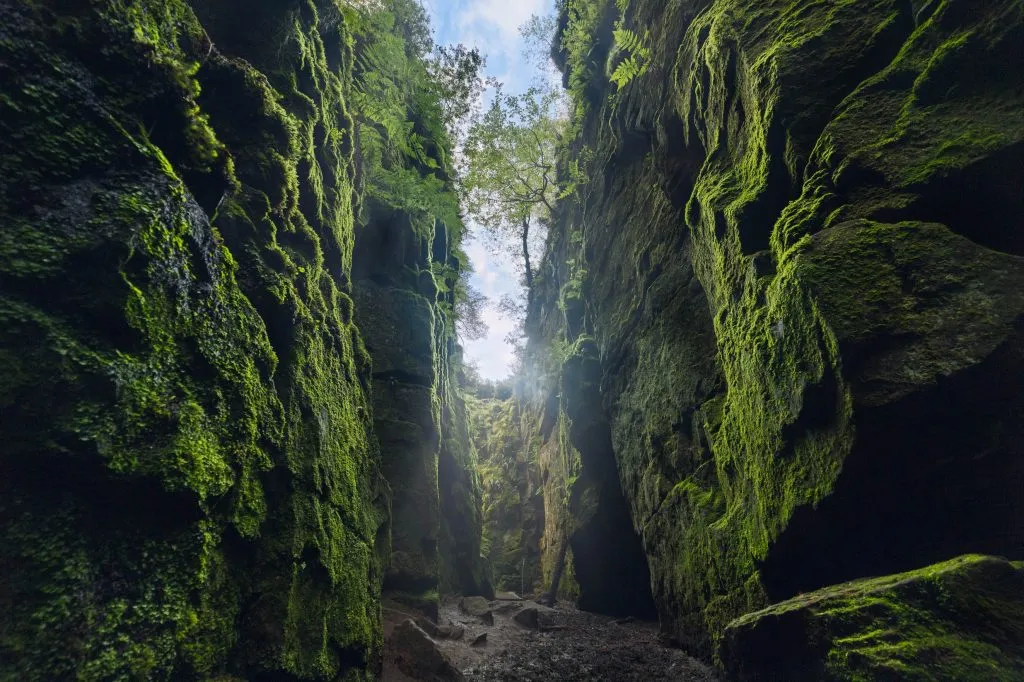
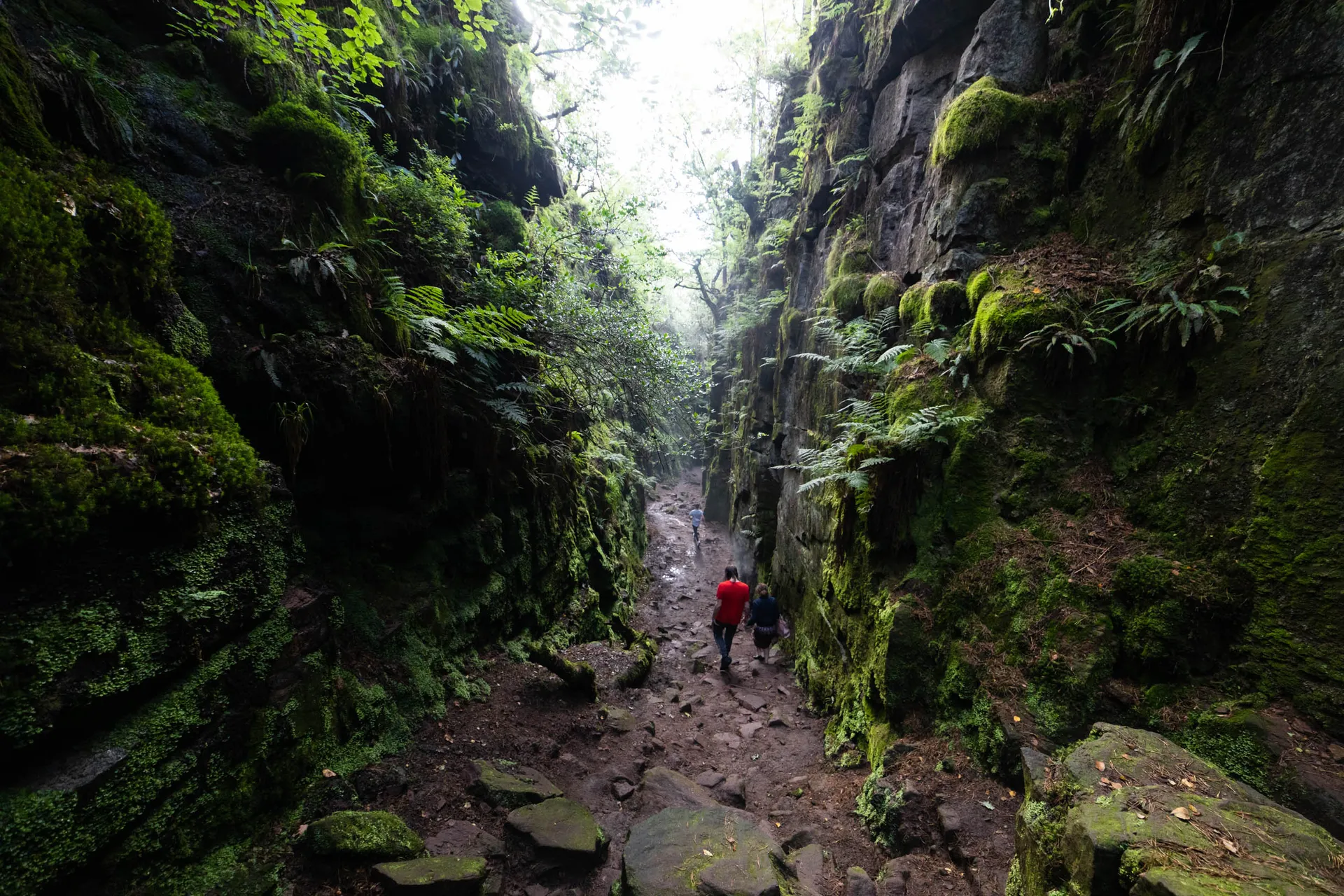
Lud’s Church is a deep, narrow chasm hidden in woodland near the Roaches. Moss covers much of the rock, and the high walls create a cool, enclosed atmosphere that feels completely removed from the open moorland nearby.
The photographic challenge here is the contrast between the darker floor of the chasm and the brighter opening above. Overcast weather is ideal because it softens that difference and produces rich, even colour in the moss. After rain, the greens can look particularly strong, although the rocks and paths may also become slippery.
A wide-angle lens helps communicate the height and narrowness of the space. I often position a person deeper in the frame, when appropriate, to provide scale and make the size of the rock walls easier to understand. Strong vertical lines are important, so I take care to keep the camera level or correct the perspective gently during editing.
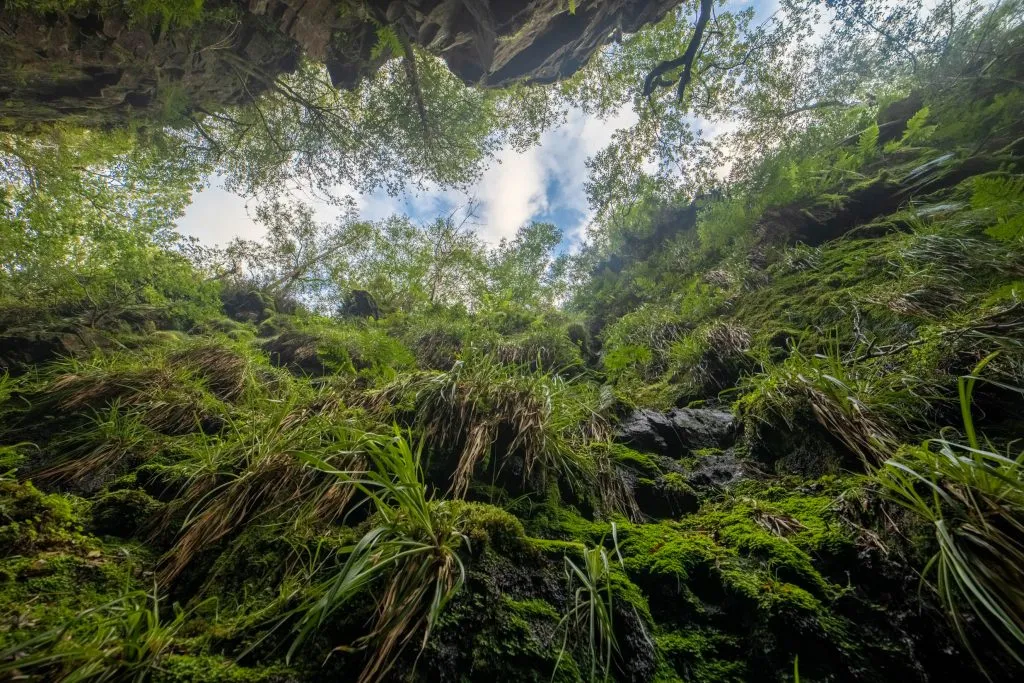
It is tempting to make every photograph extremely wide, but some of the most interesting details are smaller: roots gripping the rock, layers of moss, water on stone and light filtering through the trees above. Alternating between wide establishing photographs and tighter details gives a much better visual story of the location.
Light levels inside the chasm can be low even during the day. A tripod is useful, but when space is busy I prefer a stabilised camera and a slightly higher ISO rather than blocking the narrow path for other visitors.

4. Thor's Cave and the Manifold Valley
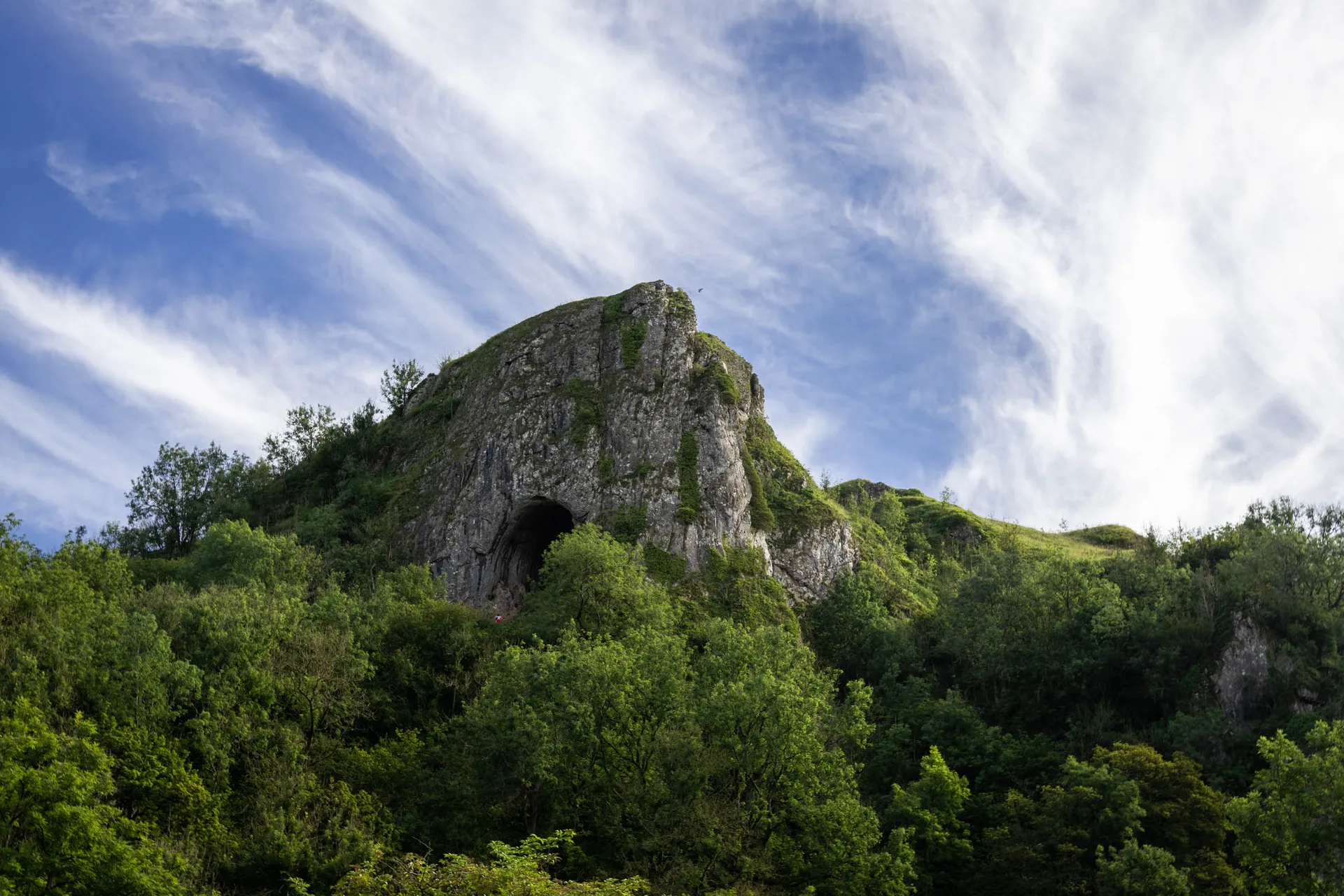
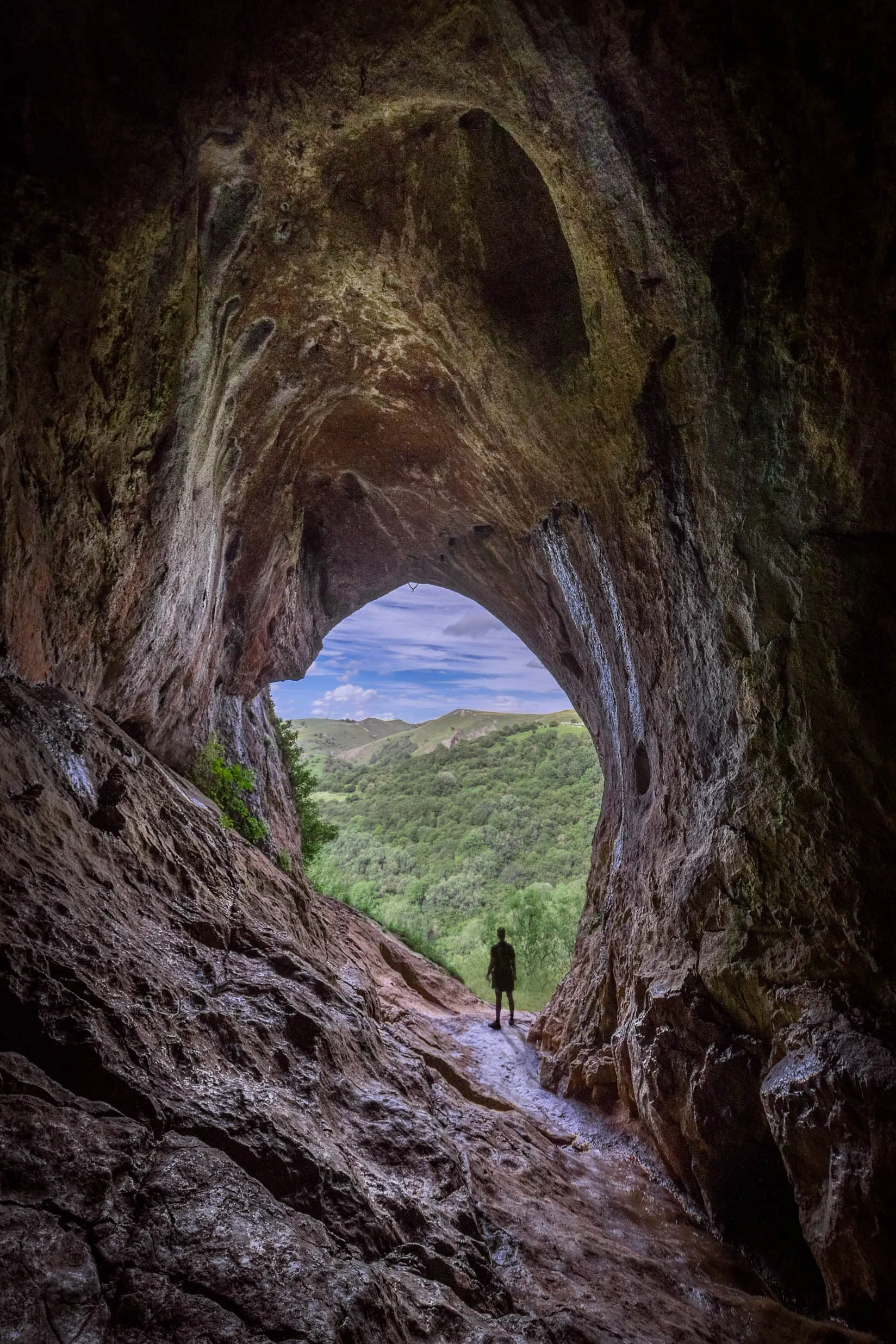
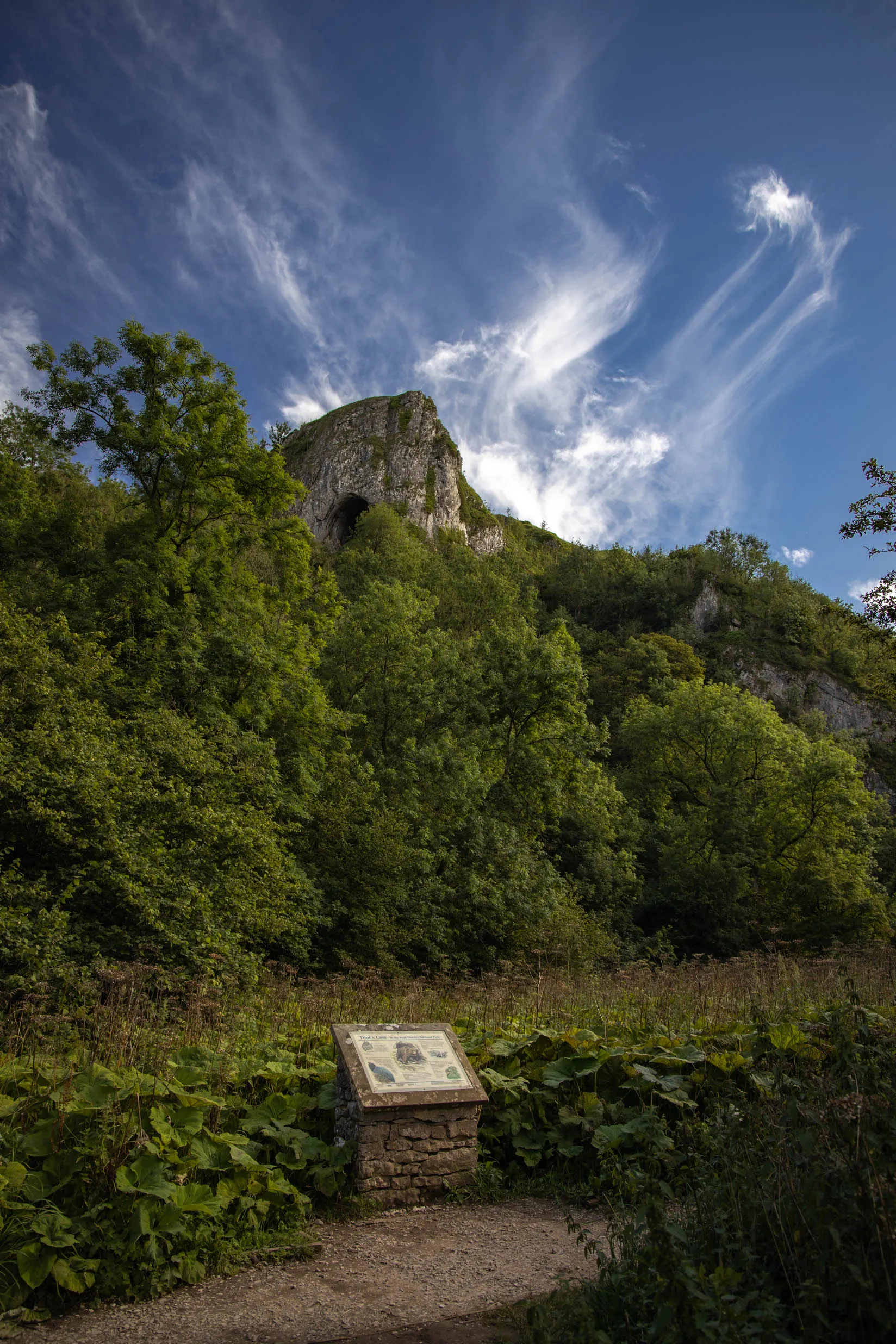
Thor’s Cave has one of the most recognisable natural entrances in the Peak District. The opening looks across the Manifold Valley and provides a frame within the frame, with the dark rock surrounding a much brighter landscape outside.
That contrast makes the cave both dramatic and technically difficult to photograph. Exposing only for the valley can turn the cave interior almost completely black, while exposing for the rock can lose detail in the sky. I normally protect the highlights outside and allow the interior to remain dark enough to preserve the atmosphere. When the contrast is extreme, a carefully blended bracketed exposure can produce a natural result without making the cave look artificially bright.
A wide lens is the obvious choice inside the entrance, but composition matters more than simply fitting everything into the frame. The shape of the opening should lead attention towards a clear feature in the valley, and the dark areas need enough structure to frame the view rather than becoming large empty shapes.
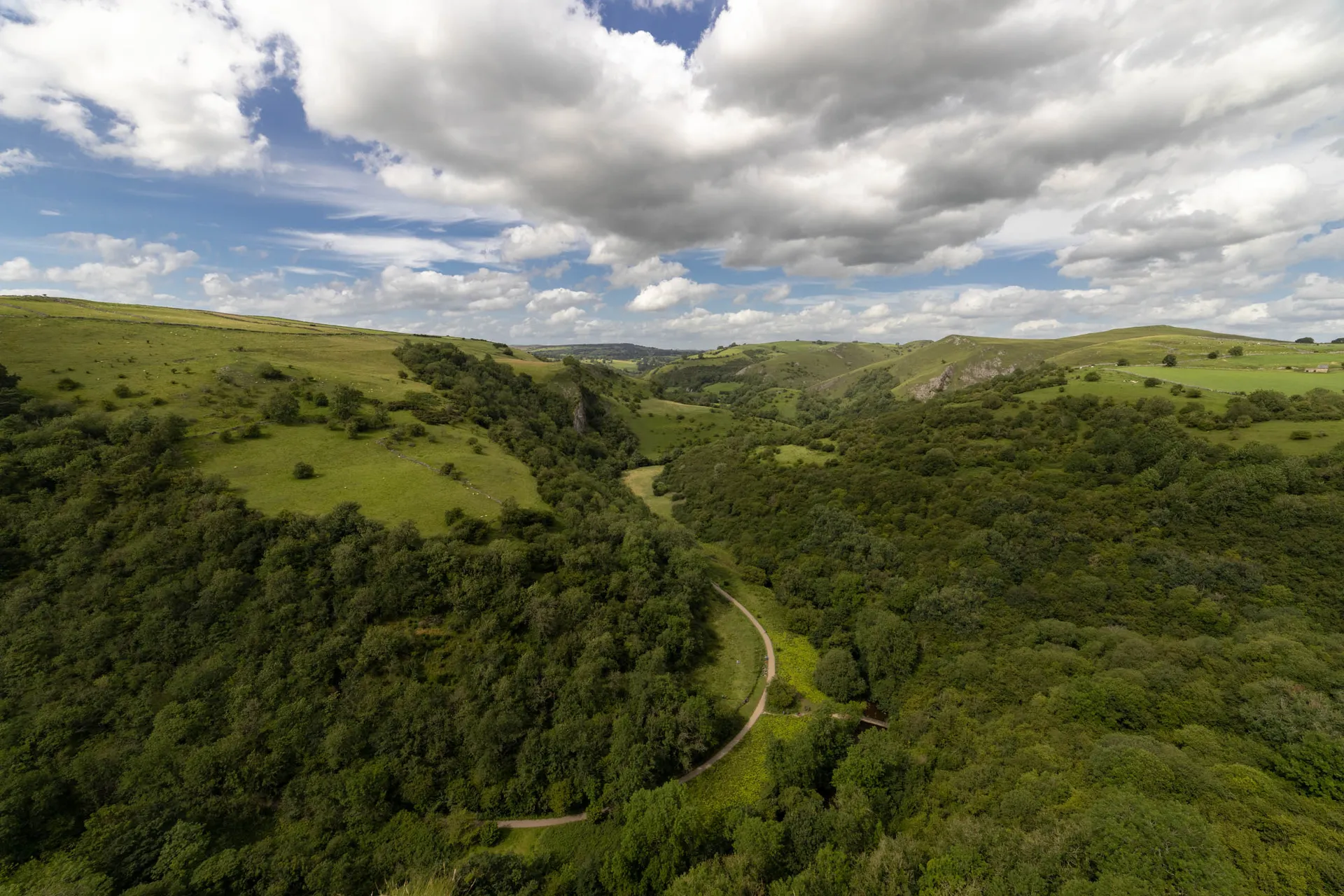
The cave is only part of the location. The surrounding paths provide elevated views across the valley, while the approach can be used to show the relationship between the limestone landscape and the cave itself. Including a walker near the entrance can provide scale, but the uneven, polished rock requires care, particularly after rain.
Early or later light can bring more shape to the valley, but I avoid treating this as a place that only works at golden hour. Broken cloud, rain moving across the hills and softer seasonal colour can be just as effective.
5. Dovestone Reservoir
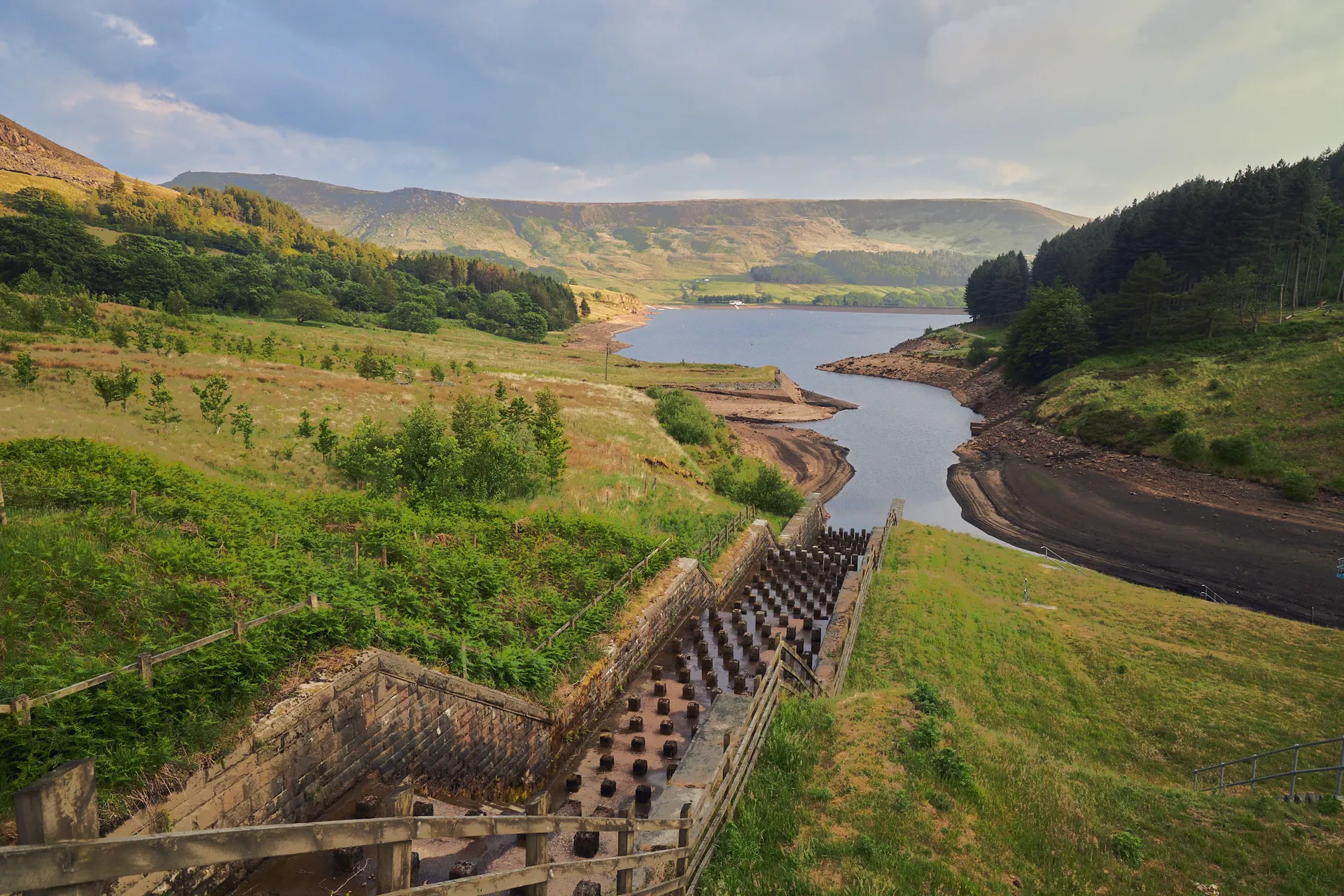
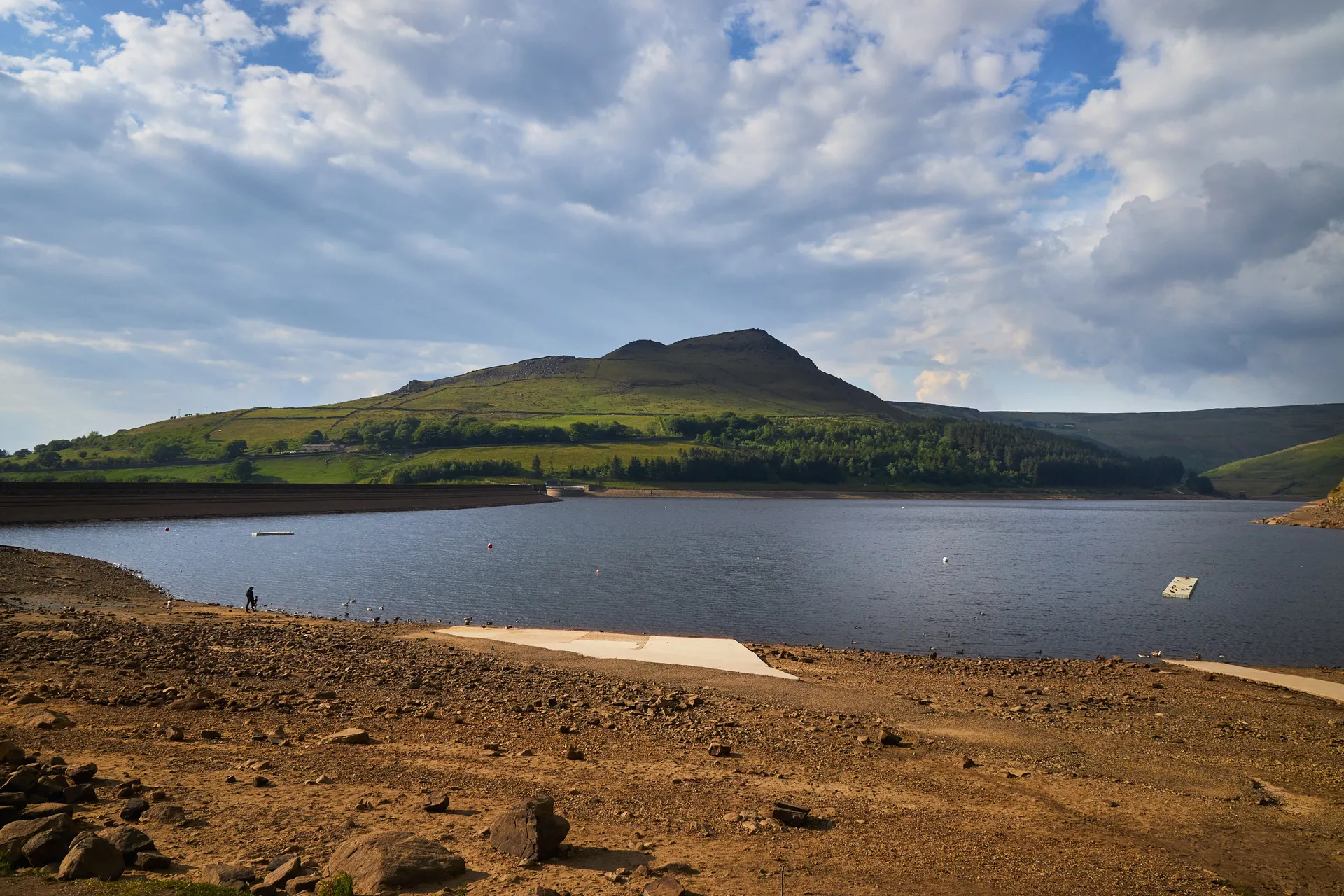
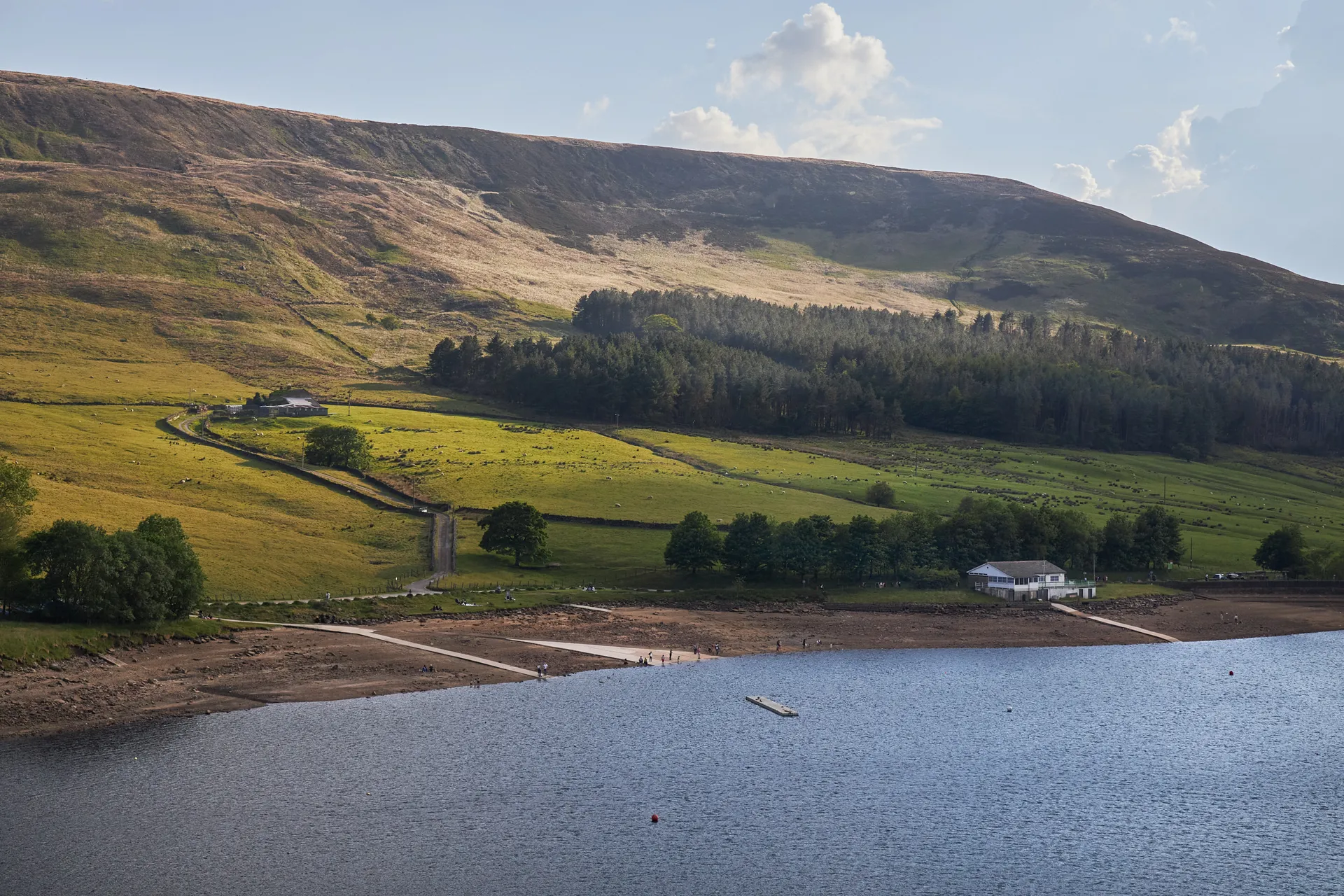
Dovestone Reservoir is the most accessible and relaxed location in this selection. Water, woodland and the surrounding hills all sit within the same landscape, which makes it suitable for anything from a family walk to a deliberate sunrise or sunset shoot.
The reservoir gives a photograph a strong foreground and, in calm conditions, reflections can add symmetry. A perfectly centred reflection can work, but I usually look for something that breaks the balance: reeds, stones, a curve in the shoreline or a patch of light on the hillside. These elements create depth and stop the image feeling like two equal halves.
In windy weather, when reflections disappear, a longer exposure can soften movement on the water and simplify the surface. I still want to retain some texture, so I do not always aim for the completely smooth effect often associated with strong neutral-density filters.
The surrounding hills can catch evening light after much of the reservoir has fallen into shade. A telephoto lens is useful for isolating those brief areas of colour, while a wider lens works better when the sky and water are both contributing to the scene. As at Mam Tor, changing focal length often creates more variety than moving repeatedly between similar viewpoints.
Dovestone is also a good reminder that landscape photography does not always need a dramatic expedition. Familiar places reward repeat visits because you begin to recognise where the light falls, how water levels change and which compositions work in different seasons.

What I Take With Me
I normally carry a wide-angle lens for enclosed spaces and foreground-led landscapes, plus a standard or telephoto lens for simplifying distant hills and woodland. A stable tripod is useful for sunrise, blue hour, water and bracketed exposures, but it should support the composition rather than dictate it.
Weather protection, suitable footwear, a lens cloth and extra layers are just as important. Conditions in the Peak District can change quickly, and keeping the camera dry and the front element clean often matters more than carrying another lens.
Final Thoughts
These locations are not a definitive list of the best places in the Peak District. They are places I enjoy returning to because each one teaches a different way of seeing: simplifying woodland, following lines across a ridge, controlling contrast inside a cave or waiting for light to move across water and hills.
Good landscape photographs rarely come from rushing through a checklist of viewpoints. They come from slowing down, watching the conditions and revisiting a place until the composition and light work together.
You can explore more of my landscape and architectural photography in my portfolio. If you need professional photography for a property, architectural or commercial project in Manchester, Cheshire or the wider North West, please get in touch.